Stacking Federal and State Tax Credits for Your Alpharetta Home
Stacking Federal and State Tax Credits for Your Alpharetta Home
Homeowners who search for home energy rebates in Alpharetta want clear answers, not alphabet soup. The fastest path to real savings is a plan that aligns federal 25C tax credits with Georgia HEAR and HOMES rebates administered through GEFA, plus available Georgia Power incentives. That plan should match North Atlanta homes, climate, and utility rates. It also has to be built around the actual HVAC and building performance conditions found in Windward colonials, Milton estates, Country Club of the South properties, Avalon condos, and 1990s to 2010s two-story homes off Old Milton Parkway and Mansell Road. This article explains how a professional energy upgrade plan gets residents of 30004, 30005, 30009, and 30022 from quote to installed equipment while stacking the highest rebate tiers available.
There is a practical reason this matters in North Fulton. High summer dewpoints above 70 degrees, attic temperatures that push past 130 degrees, and older ductwork with high static pressure all punish an air conditioner. A staged or variable-speed heat pump that is sized by Manual J, tied to corrected return air sizing, and supported by air sealing and R-49 attic insulation can cut cooling load while taming humidity. Those are the same upgrades that trigger the highest-value home energy rebates. A coordinated design is the difference between a scattered set of small checks and a five-figure package that pays for meaningful work.
Why Alpharetta homes leave money on the table
North Atlanta homes often fail to qualify for the top rebate tiers because the work scope is incomplete. Swapping a condenser alone may earn a single utility incentive, but it usually misses the whole-home metrics that the HOMES rebate program was built around. HOMES rewards modeled or measured energy reductions across the house, not one-off equipment replacements. In practice, that means pairing a variable-speed heat pump or high-efficiency SEER2 central AC with duct sealing, return air corrections, and attic insulation. It also means proving the energy reduction with either software modeling or before-and-after usage data. Without that approach, the project leaves thousands of dollars unclaimed.
There is a comfort penalty as well. Two-story homes in Alpharetta, Johns Creek, Roswell, and Milton commonly run 5 to 10 degrees warmer upstairs in July and August. The reasons repeat home to home: undersized upstairs return ducts, high static pressure from long supply runs, and radiant heat pouring down from an attic that sits over 130 degrees for hours each afternoon. This upstairs-stays-hot reality is so consistent that home energy rebates which fund duct repair, zone damper adjustments, and insulation often deliver bigger comfort wins than the equipment change alone.
What changes in 2026 for HVAC equipment and refrigerants
Any new AC or heat pump sold after January 2025 in Georgia uses a low-GWP refrigerant such as R-32 or R-454B. Legacy R-410A systems are still in many homes, but that refrigerant is phasing down. R-32 systems now dominate the residential market across North Atlanta. This matters for both pricing and parts availability during repair-versus-replace decisions. It also matters for rebates because high-efficiency heat pumps paired with variable-speed compressors meet stricter eligibility requirements more reliably than standard single-stage AC compressors. In plain terms, the 2026 replacement decision tends to push toward variable-speed heat pumps because they deliver better dehumidification in our climate and unlock higher-value credits.
Technically, variable-speed inverter-driven heat pumps modulate capacity from roughly 30 to 100 percent. In Alpharetta’s humid summer, this long, low-speed runtime pulls more water from the indoor air compared to a single-stage unit that cycles on and off. That humidity control can be felt in Windward and Webb Bridge homes where sticky air lingers even when the thermostat shows the setpoint. It also pairs well with a whole-home dehumidifier when latent loads remain high due to building leakage or large glass areas common in Milton estates and Avalon townhomes.
Federal 25C tax credits and how to use them
The Energy Efficient Home Improvement Credit (25C) covers 30 percent of eligible costs, subject to category caps and an annual limit. In 2026, the most impactful items for North Atlanta HVAC projects usually include:
- Heat pump installation: up to $2,000 credit for qualifying high-efficiency units
- Insulation and air sealing: 30 percent up to $1,200 combined for envelope measures
- Electrical panel upgrade: up to $600 if needed for 25C-qualified equipment
- Central AC: up to $600 credit if selecting high-efficiency AC rather than a heat pump
- Smart thermostat: often credit-eligible when part of a qualifying upgrade package
The total annual 25C limit is commonly $3,200 when a qualifying heat pump is installed. For homes opting for central AC instead of a heat pump, the combined limit usually tops out at $1,200. The credit is applied when filing the federal tax return for the year the work was completed. This is a credit against tax owed, not a deduction, which makes the value straightforward for planning.
Geothermal heat pumps and residential solar fall under separate sections of the tax code. Homeowners considering geothermal in 30004 or 30041 have a 30 percent federal credit in place, subject to standard phase-down timelines. Those projects are less common in North Fulton due to lot constraints and first-cost considerations, but they remain a valid path when land and budget align.
Georgia HEAR and HOMES rebates administered through GEFA
Georgia’s HEAR (Home Electrification and Appliance Rebates) and the HOMES program are structured to support both deep efficiency retrofits and electrification measures. As of 2026, GEFA administers these funds, with local implementation and contractor participation required. Homeowners should confirm current eligibility tiers, income limits where applicable, and local enrollment status. In practice, Alpharetta, Milton, Johns Creek, and Cumming projects that include heat pump installation, duct sealing, and insulation stand the best chance of reaching the highest rebate levels when energy savings are modeled or verified.
Income-based tiers can raise rebate values on certain HEAR measures. HOMES rewards stack based on measured or modeled whole-home energy savings. Deep retrofits that hit 20 percent or more energy reduction can qualify for larger rebates than shallow upgrades. The projects most likely to achieve those targets in North Atlanta include variable-speed heat pump installation, duct sealing and return air resizing to reduce static pressure, R-49 or greater attic insulation, and air sealing work in the attic plane and rim joists. The upgrades may be staged, but the plan should be written on day one so each measure supports the final target.
Georgia Power rebates and bill credits that matter in North Fulton
For homes served by Georgia Power in 30009, 30022, 30075, 30076, and 30350, the utility typically offers targeted rebates for high-efficiency HVAC, duct sealing, and smart thermostats. Program values and eligible equipment lists change, so the best practice is a current-year check before locking the scope. Projects that add a variable-speed heat pump from Carrier, Trane, Lennox, or Daikin, correct duct leakage that shows up in a duct blaster test, and add a qualifying smart thermostat usually capture the full available utility incentive package.
One detail matters for comfort and savings: duct leakage fixes can deliver outsized benefits in two-story homes along Holcomb Bridge Road and Roswell Road, because upstairs supply runs are long and push static pressure high. Sealing and resizing return air on the upper floor reduces equipment strain and improves latent removal, which often makes the difference between a rebate-eligible performance claim and a disappointing summer with high humidity.
What qualifies in real Alpharetta homes
North Atlanta houses have patterns a home energy rebates seasoned technician can spot within minutes. Attic returns necked down to 12 inches on an upper floor that needs 16 inches. A coil slot sized for an A-coil that starves airflow on a variable-speed ECM blower. Zone dampers that stick half shut and send static pressure to 0.9 inches of water column when 0.5 was the design. These details decide whether a high-SEER2 system will deliver its rating or spend summers short-cycling. They also decide whether HOMES rebates based on modeled savings will be granted, because the energy model assumes design airflow.
On the equipment side, a variable-speed heat pump that meets current SEER2 and HSPF2 thresholds, paired with a communicating thermostat and a matched air handler, becomes the backbone of the project. Trane TruComfort and Carrier Infinity systems are common premium options. Mitsubishi Electric Hyper-Heat and Daikin inverter heat pumps are often used in electrification plans that push deeper into winter heating, especially for owners who want to rely less on gas in Dunwoody and East Cobb. Where gas remains preferred, a dual-fuel hybrid system with a two-stage or modulating gas furnace and a heat pump can meet comfort goals while qualifying for multiple incentives.
Installed cost ranges in 2026 for North Atlanta
Installed pricing varies by home size, duct condition, and zoning. In 2026 across Alpharetta, Roswell, Sandy Springs, Johns Creek, Milton, Dunwoody, and Cumming, typical HVAC installation ranges are:
Standard 14 to 16 SEER2 single-stage central AC or heat pump system: $5,500 to $8,500 installed. Mid-tier 16 to 18 SEER2 two-stage system: $8,500 to $13,000 installed. High-efficiency 18 to 22 SEER2 variable-speed system: $13,000 to $22,000 installed. Ductwork modifications when required: $1,500 to $5,000. Whole-home dehumidifier installation: $1,800 to $3,500. Duct sealing and targeted repairs: $300 to $800 for small scopes, larger projects scale to $1,500 to $3,000. A professional home energy assessment in North Atlanta typically falls in the $150 to $400 range, with some programs offering a $150 rebate credit when the audit is tied to eligible improvements.
These project totals usually qualify for a mix of 25C credits, GEFA HEAR or HOMES rebates, and Georgia Power incentives. Stacked together, it is common for qualified homes to cut the net project cost by several thousand dollars. Projects that reach deep energy savings can approach five-figure combined incentives when all sources apply.
The stacking sequence that works in North Fulton
Stacking is successful when the work plan is written to the incentives, not bolted on after the fact. A disciplined sequence protects eligibility while preventing rework:
- Start with a home energy assessment that tests duct leakage, measures static pressure, and evaluates insulation levels
- Select a variable-speed heat pump or high-SEER2 AC matched to Manual J loads and Manual D duct sizing
- Design duct sealing and return air resizing to match the equipment’s airflow profile and reduce static pressure
- Complete attic air sealing and bring insulation to R-49 or higher where feasible
- Commission the system with measured superheat and subcooling, verify ECM blower settings, and set thermostat profiles to dehumidify
This scope aligns with the requirements of 25C, HOMES, and utility rebates. It also addresses the North Atlanta humidity problem head-on. Longer, lower-speed equipment run times combined with tighter ducts and sealed attics produce lower indoor humidity, which many homeowners in Crooked Creek, Glen Abbey, and Crabapple notice within days of completion.
Technical details that move the rebate needle
Rebate programs do not pay for nameplates. They pay for performance. Five technical checks decide whether state home energy rebates a system earns the projected savings on Old Milton Parkway or Windward Parkway.
First, static pressure must be measured and reduced if it is high. Many two-story homes near Big Creek Greenway and Avalon show total external static above 0.8 inches of water column before any work. The same air handler will move much less air at that pressure than it does at 0.5, which undermines both efficiency and comfort. Duct sealing and return air resizing are the cleanest fixes.
Second, refrigerant charge must be set by measured subcooling and superheat, not guesswork. Inverter-driven compressors behave differently at partial load, and charge errors hurt capacity and efficiency. As R-32 systems spread through 30004 and 30009, technicians with EPA Section 608 certification who have trained on manufacturer-specific commissioning procedures become essential.
Third, the thermal expansion valve (TXV) or metering device has to be correctly matched to the coil and condenser. Mismatches cause coil freeze-ups or poor latent performance, which in Alpharetta reads as clammy rooms and wet upstairs returns.
Fourth, blower settings on ECM variable-speed motors must match the tonnage and duct condition. A 3-ton variable-speed ECM trying to push air through undersized ducts will run at the top of its curve, burn extra watts, and still fail to cool the far bedrooms over the garage in Milton’s White Columns and The Manor.
Fifth, controls matter. A smart thermostat that can stage and dehumidify, like Honeywell T-Series, Trane ComfortLink, or Carrier Cor, supports longer runtimes at lower fan speeds that pull moisture out better than short bursts at high speed. Thermostat wiring and control board compatibility should be verified during design, not after equipment is on the truck.
Which brands qualify and why Alpharetta homes favor them
Carrier, Trane, Lennox, Daikin, Rheem, York, Goodman, Amana, and Mitsubishi Electric all offer equipment that can meet 2026 SEER2 and HSPF2 thresholds for incentives. The choice comes down to control philosophy, noise, available staging, budget, and service access in tight attics along Webb Bridge Road and Medlock Bridge. Trane and Carrier offer widely supported variable-speed systems with long manufacturer warranties. Lennox premium systems deliver high efficiency with quiet operation, favored in Roswell and Johns Creek homes where condenser placement is next to outdoor living spaces. Mitsubishi Electric and Daikin inverter systems excel when electrification or ductless zoning is part of the plan, such as finished basements off State Bridge Road or bonus rooms over garages in Cumming’s 30041 zip.
Manufacturer warranty registration typically yields 10-year parts coverage on new systems. Variable-speed compressors often carry 10-year terms from Trane, Carrier, and Lennox, while Daikin offers extended coverage on some models. Rebates do not replace warranties, but they change the cost calculus so a homeowner can choose systems that better handle the North Atlanta climate.
A shareable reality about North Atlanta homes
Across Alpharetta, Milton, Roswell, Johns Creek, and Sandy Springs, two-story homes run warmer upstairs than downstairs by 5 to 10 degrees on summer afternoons. The reason is not just the sun. Attic temperatures exceed 130 degrees for hours, radiant heat drives into the upper ceiling, and many builders undersized upstairs returns and zone dampers. The result is high static pressure and limited airflow where it is needed most. This is why home energy rebates that fund duct sealing, return air sizing, and attic insulation often deliver a larger comfort improvement than the equipment upgrade by itself. It is also why projects that fix duct and attic issues tend to hit HOMES rebate targets while single-measure jobs do not.
What an Alpharetta home energy assessment should test
A credible assessment in 30004, 30005, 30009, or 30022 will document existing conditions and define a scope that aligns with incentives. Expect a pressure test for duct leakage, static pressure readings across the air handler and coil, temperature split and humidity readings at supply and return, and an attic inspection that documents insulation depth and thermal bypasses. Where zoning exists, each zone damper should be exercised and measured for travel to confirm it is not stuck or misadjusted. Thermostat and control board compatibility with variable-speed staging should be noted in the report.
For HOMES eligibility, the assessment should feed either an energy model or a measured baseline that can be compared after improvements. Homes near Ameris Bank Amphitheatre and North Point Mall often have similar vintage and layouts, which means energy models built on North Fulton archetypes will be accurate. For custom estates in Country Club of the South or The Manor, the plan may call for a deeper site model to capture window area, orientation, and volume.
How home energy rebates reduce Alpharetta project costs
Here is how a typical 30009 project stacks in practice. A variable-speed heat pump and matched air handler priced at $15,500 installed. Duct sealing and return air resizing at $2,200. Attic air sealing and insulation upgrade to R-49 at $3,000. Whole-home dehumidifier at $2,200. The gross total comes to $22,900. A 25C credit applies to the heat pump up to $2,000 and to a portion of attic and air sealing up to $1,200 depending on eligible materials and invoices. GEFA HOMES rebates could apply to the combined package if modeled savings meet tier thresholds. Georgia Power incentives can add rebates for the heat pump, duct sealing, and smart thermostat if installed. The realistic combined incentive package can cut the owner’s net by several thousand dollars and, on deep retrofits that cross savings thresholds, can reach five-figure totals. Results vary by exact eligibility and year-of-funding specifics, which is why a current program check is always part of responsible planning.
Upstairs humidity and the case for a whole-home dehumidifier
Even with a properly sized variable-speed unit, some North Atlanta homes hold humidity above 60 percent during July and August. Large open foyers, wall-to-glass ratios in Milton estates, and infiltration through unsealed attic penetrations can overwhelm latent removal on shoulder days. A whole-home dehumidifier integrated into the return side can pull moisture without overcooling, especially at night. Installed costs in 2026 typically range from $1,800 to $3,500. In addition to comfort, this often supports rebate-driven energy reduction because it lets the heat pump run fewer cooling cycles to chase humidity. It also helps keep hardwood floors and finishes stable in Windward and Glen Abbey homes.
R-410A repair decisions during the R-32 transition
Many Alpharetta systems still run on R-410A. As that refrigerant phases down, costs and parts availability are shifting. Faced with a leaking evaporator coil quoted at $1,500 to $3,500 or a compressor replacement of $2,000 to $4,500, it often pays to consider replacement instead, especially when home energy rebates can support a new R-32 or R-454B variable-speed system. Beyond the financials, a replacement unlocks better humidity control and the ability to model deep energy savings for HOMES. In older Roswell and East Cobb stock with leaky ductwork, pairing the replacement with duct sealing tilts the economics further toward new equipment because the whole package becomes eligible for larger incentive tiers.
Local conditions that shape Alpharetta project design
Georgia 400, Old Milton Parkway, and Windward Parkway corridor homes see long summer run hours. Afternoon west sun hits bonus rooms over garages hard. Attic kneewalls and can light penetrations drive infiltration. East Cobb ranch homes near 30068 and Dunwoody’s 30338 corridor show original ducts with measurable leakage at boots and joints. Cumming’s 30041 growth corridor includes many two-zone systems with one air handler in a hot attic and duct runs that stretch to the far end of the second floor. These realities push design toward variable-speed compression, corrected return air sizing, and targeted air sealing before insulation is blown in. They also shape thermostat strategy, with dehumidify modes and longer fan runs after compressor cycles that squeeze out extra moisture from the coil in July.
What homeowners in Alpharetta should expect on timing
The best projects move from assessment to final commissioning within two to three weeks in spring and early summer. During peak July, equipment and crews run tight, but next-day installations are still common when the scope is clear and parts are in stock. R-32 adoption by Trane, Carrier, Lennox, and others has stabilized supply, though certain coil and control board combinations may have longer lead times. Rebates are applied after completion. Federal tax credits come at tax time. Utility and state rebates are processed upon proof of installation and eligibility. A contractor who handles paperwork and submits AHRI matches and model documentation removes friction and reduces errors.
Answering common questions about home energy rebates in Alpharetta
Can Georgia Power, GEFA, and 25C be stacked on the same job? In most cases yes, when the measures meet each program’s rules and caps. The programs do not cancel each other, but each has specific requirements and applications. Do income limits apply? Some HEAR rebates are income-based. HOMES can be either modeled-savings or measured-savings based, with tiers that change by depth of savings. Are there deadlines? Funding cycles exist. Homeowners should verify the current cycle for the year of install. Does a home energy assessment get rebated? Many programs offer a partial rebate or discount, commonly around $150 when tied to eligible improvements. Do duct repairs and insulation really matter? Yes. In North Atlanta, they are often the cheapest way to unlock higher-tiers while fixing the upstairs-stays-hot problem that drives most comfort complaints.
Why the sequence matters for large homes in Milton, Windward, and Country Club of the South
Luxury homes with multi-zone systems in Milton’s White Columns and The Manor, and North Fulton communities like Country Club of the South, have complex airflow. Single-stage systems rarely maintain even temperatures across large volumes with high glass. Multi-stage and variable-speed compressors with zoning controls are more effective, but only when duct static pressure is within targets and returns are adequately sized. Whole-home dehumidifiers and ERVs can further stabilize humidity and ventilation in tighter homes. The incentives reward these integrated designs because they save real energy in our humid climate. They also protect finishes and improve indoor air quality in homes with long summertime occupancy and frequent entertaining.
What a finished, rebate-ready project looks like on Old Milton Parkway
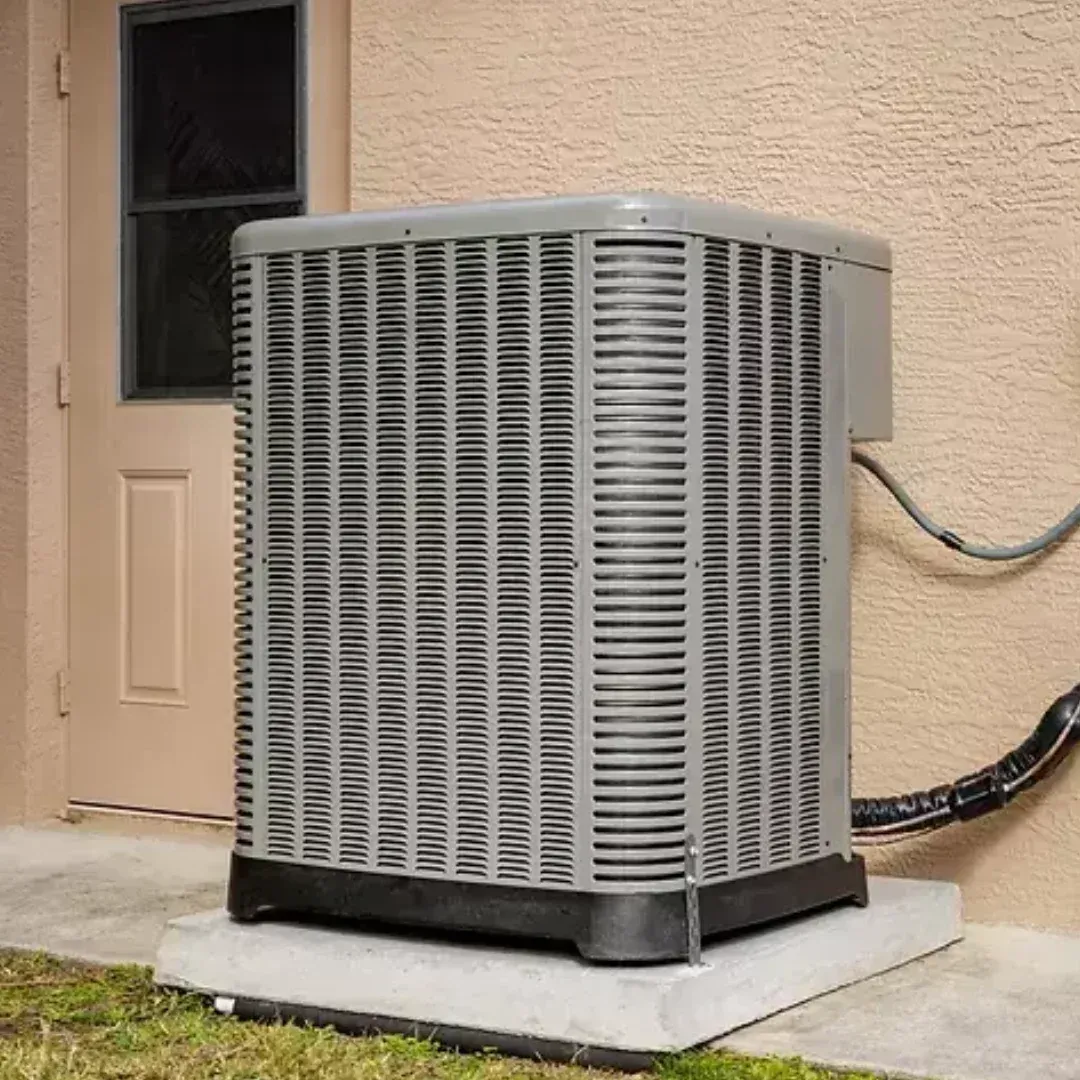
Picture a 1998 two-story home near Alpharetta City Hall, zip 30009. An assessment shows upstairs return undersized, total external static at 0.85, attic insulation at R-19, and duct leakage at 18 percent. The plan calls for a 3-ton variable-speed heat pump from Carrier paired with a matched air handler, return upsized to 16 inches, duct sealing and balancing, attic air sealing, and insulation to R-49. Commissioning sets blower CFM to match coil and duct, refrigerant charge is verified by subcooling and superheat, and thermostat staging is set to favor longer runtimes with dehumidify. Georgia Power incentives apply for HVAC, duct sealing, and thermostat. 25C covers the heat pump up to $2,000 and a portion of insulation and air sealing up to $1,200. If the modeled energy reduction meets HOMES thresholds, a state rebate is layered on top. The net project costs drop significantly, and upstairs bedrooms on Webb Bridge sleep cool for the first August in years.
How this applies to townhomes and condos near Avalon and Halcyon
Townhomes along North Point Parkway and condos near Avalon often have space constraints and HOA rules. Variable-speed heat pumps with smaller outdoor footprints and quiet operation fit well. Duct sealing is still valuable, especially at the air handler and coil cabinet. While whole-home insulation scopes may be limited by HOA boundaries, targeted air sealing at utility penetrations and improved filtration through a media air cleaner can lift comfort while staying within association rules. Rebates still apply for eligible equipment and thermostat upgrades. The assessment and paperwork need attention to ownership boundaries to keep the application clean.
The contractor role in a successful rebate stack
Paperwork and product selection decide rebate outcomes as much as wrenches do. AHRI matched systems must be documented. Manual J and Manual D are not paperwork fluff. They set the stage for performance and eligibility. Control strategies must be compatible with the equipment. As R-32 systems become the norm, EPA Section 608 certified technicians trained on R-32 handling and manufacturer commissioning should set charge and settings. Duct blaster and static pressure readings belong in the file. For HOMES, modeled savings should be defensible. The sequence from assessment to commissioning should read as one plan, not three unrelated work orders.
Why home energy rebates matter in humid North Atlanta summers
High dewpoints drive latent cooling loads that oversized, single-stage systems cannot remove. Short cycles leave humidity high and create that sticky, hard-to-sleep feeling at night. Manual J right-sizing paired with variable-speed heat pumps is not theory in Alpharetta. It is the daily difference between comfort and complaints from May through September. Home energy rebates let homeowners choose the equipment and building shell improvements that deliver this performance without paying the full freight alone. In 30004, 30005, 30009, 30022, 30075, 30076, 30350, 30338, 30040, and 30041, that combination also protects against grid peaks because variable-speed systems run steadier rather than slamming on and off at full draw.
What “home energy rebates Alpharetta GA” really delivers
Homeowners who search for home energy rebates Alpharetta GA are looking for a complete, local plan. They want a contractor who knows how a return in a 30004 attic gets necked down behind a truss and how to fix it. They want a team that understands how a 1997 control board will react to a 2026 variable-speed compressor and what thermostat wiring changes will be needed. They want a shop that can lay out a rebate stack that includes 25C, HOMES, and Georgia Power incentives and then deliver a finished job that actually meets the modeled savings. In North Fulton, that is the only path that solves the upstairs-stays-hot problem and captures the highest-value home energy rebates Alpharetta GA can offer.
Local proof points that make projects credible
Projects across Crabapple, Glen Abbey, and Crooked Creek show the same pattern. Duct sealing that cuts leakage by half, return air resized to drop static by 0.2 or more, attic insulation to R-49 with baffles at eaves, and a variable-speed heat pump set to favor long, quiet runs. The homeowners report lower bills during the first full cycle and lower indoor humidity within the first week. Their HOMES modeled savings hold up because the system now moves the designed CFM at a realistic static pressure. The Georgia Power rebates clear because the AHRI and thermostat pairing were documented. When tax season comes, the 25C credit appears as planned because invoices separated eligible costs for the heat pump and for envelope measures. This is the level of detail required for home energy rebates Alpharetta GA residents expect to succeed.
Final notes on eligibility and planning
Program rules change. Funding windows open and close. Homeowners should expect current-year verification for HEAR and HOMES through GEFA, plus a fresh check on Georgia Power’s active offers. Federal 25C rules are more stable, but caps and product eligibility must be confirmed against AHRI data and equipment submittals. For homes considering electrification, panel capacity and service upgrades should be evaluated early. For dual-fuel plans, gas furnace staging and balance points must be set to match comfort and cost goals. The closer the plan tracks to the home’s real constraints, the smoother the rebate path and the better the comfort outcome.
Ready to stack your rebates in North Atlanta
Homeowners who want home energy rebates Alpharetta GA applied to real equipment, real duct fixes, and real comfort gains can schedule a professional assessment that sets the plan in motion. One Hour Heating and Air Conditioning of North Atlanta operates from 1360 Union Hill Road Suite 5F in the 30004 Alpharetta and Milton corridor with cross-metro dispatch to Roswell, Sandy Springs, Johns Creek, East Cobb, Dunwoody, and Cumming. The team is Georgia Conditioned Air Contractor licensed, with NATE-certified and EPA Section 608 certified technicians who commission Trane, Carrier, Lennox, Daikin, Mitsubishi Electric, Goodman, Rheem, York, and Amana systems to manufacturer specifications. The shop participates in the Georgia HEAR Home Energy Rebate Program as available, coordinates manufacturer warranty registration, and handles rebate paperwork submission for utility and state incentives. Same-day emergency dispatch is available during peak season, with StraightForward upfront flat-rate pricing, the Always On Time Or You Don’t Pay A Dime guarantee, a 100 percent satisfaction guarantee, and 0 percent financing on qualifying repairs and installations. To start a rebate-ready scope designed for home energy rebates Alpharetta GA and the broader North Atlanta market, call 404-689-4168 or schedule online.
One Hour Heating
& Air Conditioning
North Atlanta Division