The Best Way to Finance Your Energy Efficient Home Retrofit
The Best Way to Finance Your Energy Efficient Home Retrofit
Homeowners across Alpharetta, Milton, Roswell, Johns Creek, Sandy Springs, East Cobb, Dunwoody, and Cumming are hearing more about home energy rebates and seeing neighbors upgrade HVAC systems, insulation, and ductwork. Many are asking the same question: what is the smartest way to pay for an energy efficient home retrofit without tying up cash or missing incentives timed to 2026? The answer is a synchronized plan that pairs the right equipment with the right financing and the right stack of federal, state, and utility rebates, all executed in the right order so money stays in your pocket while comfort improves fast.
In North Atlanta, the biggest return often comes from a high-efficiency variable-speed heat pump, duct sealing with return air resizing for the upstairs, and a whole-home dehumidifier. That combination reduces Georgia Power bills, levels out the upstairs-stays-hot problem, and qualifies for multiple home energy rebates when designed and documented correctly. The plan must also account for the post-2025 shift to R-32 refrigerant, which affects equipment pricing and long-term service economics for anyone still running older R-410A systems.
Why financing matters on energy retrofits in North Atlanta
Well-planned financing turns a summer emergency into a structured upgrade that pays for itself. A variable-speed heat pump and supporting ductwork fixes in a Windward or Country Club of the South home can run from $13,000 to $22,000 installed for an 18 to 22 SEER2 system, with $1,500 to $5,000 in duct modifications when needed. Spreading that cost over 6, 12, or 18 months at 0 percent, or over a longer low-interest term, lets the monthly utility savings offset most of the payment. Timing the project with available home energy rebates, federal 25C tax credits, and Georgia Power incentives reduces principal even further. The financing plan is not separate from design. It guides the scope and the documentation needed to confirm eligibility for incentives before work starts.
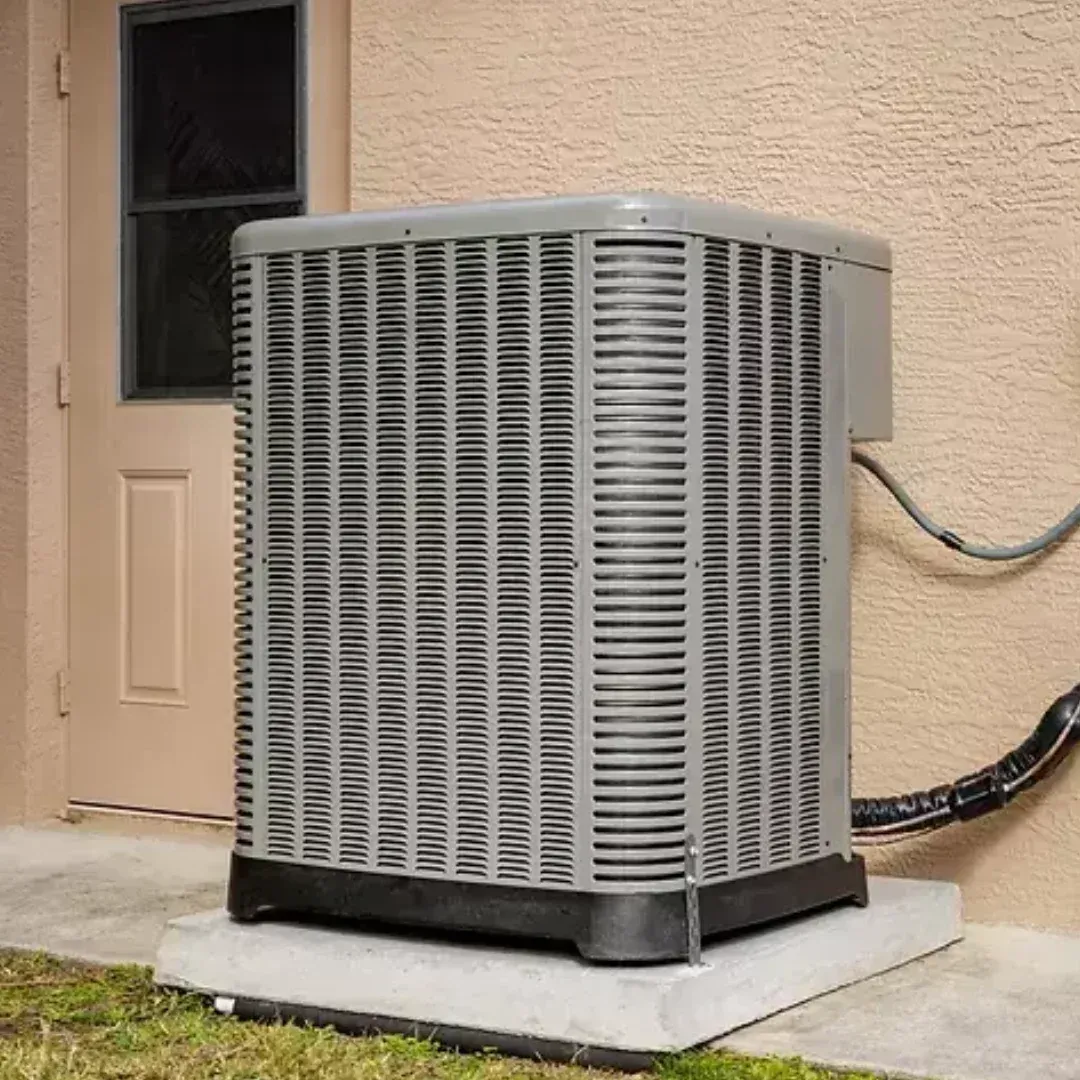
North Atlanta summers are humid and brutal on oversized or single-stage systems. Dewpoints above 70 degrees are common. Attic temperatures above 130 degrees are normal by midafternoon on Old Milton Parkway, Mansell Road, or Holcomb Bridge Road. That load means the right system is a variable-speed heat pump or inverter AC that runs long, low, and dry. Financing should be aligned with this performance target, not just the lowest upfront price. The long-term bill reduction and comfort lift come from staging, humidity control, and air distribution upgrades, not from a bare-minimum unit swap.
The rebate stack every Alpharetta homeowner should know
The strongest savings in 2026 come from a mix of federal credits and state or utility rebates. Program timelines and amounts can change, so project planning should verify eligibility at the quote stage and reserve funds where required.
Key components in the current stack:
- Energy Efficient Home Improvement Credit (25C). Federal tax credit up to $2,000 for qualifying high-efficiency heat pumps, plus up to $1,200 for other eligible improvements each tax year. Equipment must meet IRS and ENERGY STAR criteria.
- Georgia HEAR (Home Energy Rebate) programs under GEFA oversight. The HOMES performance-based rebates and the Home Electrification and Appliance Rebates are slated to roll out with income and equipment rules. Caps can be significant for full electrification and for measured whole-home energy savings. Availability and details depend on GEFA implementation.
- Georgia Power rebates. These can include incentives for high-efficiency heat pumps, smart thermostats, duct sealing, and home energy assessments, with amounts subject to program funding. A common example is a utility rebate toward a professional Home Energy Assessment in the $100 to $150 range, where offered. Confirmation is required before scheduling.
- Manufacturer rebates. Brands such as Trane, Carrier, Lennox, Daikin, Goodman, Rheem, York, Amana, and Mitsubishi Electric periodically publish seasonal offers for qualifying SEER2 heat pumps and air conditioners.
Homeowners asking about home energy rebates should aim for a documented energy improvement plan that ties each measure to a specific incentive. A variable-speed heat pump, R-49 or better attic insulation, and duct sealing often combine to hit HOMES program performance targets. Heat pump water heaters, induction ranges, and panel upgrades may qualify under electrification rebates where income limits apply.
Local reality: upstairs is hotter by design, not by accident
Here is the shareable North Atlanta truth. In two-story homes across Alpharetta, Johns Creek, Roswell, Sandy Springs, and Milton, the upstairs runs 5 to 10 degrees warmer than downstairs during July and August even with the thermostat set correctly. The cause is not poor AC effort. The cause is inadequate return air sizing to the upper floor, attic radiant heat passing through recessed lights and attic hatches, and undersized or sticky zone dampers from original construction. When GA-400 traffic bakes roofs from Avalon to Windward Parkway, attics soar past 130 degrees and the upstairs load overwhelms a single-stage system. The fix is not just a bigger unit. The fix is a Manual J load calculation, return air resizing, duct sealing, and a variable-speed or two-stage system set to remove moisture during long, low cycles. This exact scope also yields strong credit and rebate eligibility when documented.
Which HVAC systems qualify for the strongest incentives
Equipment must meet current SEER2 and ENERGY STAR criteria to trigger the best home energy rebates and federal credits. In 2026, that typically points to a variable-speed heat pump paired with an ECM blower in a matching air handler or furnace cabinet. Examples include:
Trane TruComfort variable-speed heat pumps, Carrier Infinity or Performance series inverter heat pumps, Lennox variable-capacity systems, Daikin Fit side-discharge inverter heat pumps, Mitsubishi Electric Hyper-Heat for homes seeking deep electrification with strong low-temperature output. These systems modulate capacity to flatten humidity, prevent short cycling, and sustain comfort during North Fulton afternoons when dewpoints sit in the 70s.
For homeowners weighing AC replacement versus heat pump installation, the current credit landscape tends to reward a heat pump. Many hybrid dual-fuel setups still qualify when the heat pump does the heavy lifting in spring, summer, and fall, with a 95 to 98 AFUE furnace for rare hard freezes. The Georgia humid subtropical climate favors the heat pump most of the year, and the rebate stack often favors it on paper as well.
R-410A vs R-32: refrigerant transition and cost planning
Any new system sold after January 2025 generally uses R-32 or a similar low-GWP refrigerant such as R-454B. That is reshaping equipment availability, pricing, and parts. Homeowners with legacy R-410A systems facing a compressor or evaporator coil failure should factor in future repair risk. A compressor replacement on an older R-410A system can run $2,000 to $4,500 and still leave a homeowner with higher monthly costs and humidity issues. A full system replacement that moves to R-32 and variable-speed control can qualify for home energy rebates and lower bills. The financing decision should include the refrigerant transition, not just the immediate repair quote.
Precision upgrades that earn rebates and deliver comfort
North Atlanta homes often earn the largest incentives when several upgrades are bundled and verified with a professional energy assessment. Strong performers for our market include:
Variable-speed heat pump. The inverter-driven compressor adapts to load. It runs long and quiet, wrings moisture from the air, and stabilizes room-to-room temperatures. This is the cornerstone for federal 25C credits and many utility rebates.
Duct sealing and return air resizing. Leaky or undersized returns starve the air handler. Static pressure rises. Coils freeze. Humidity climbs. Sealing with mastic and metal-backed tape and adding properly sized returns upstairs lifts delivered capacity and reduces runtime. This is often a ticket item on home energy rebates through performance programs.
Whole-home dehumidifier. more info When Georgia dewpoints are above 70 degrees, a dehumidifier maintains 45 to 50 percent indoor humidity without overcooling the house. It pairs well with variable-speed systems and reduces mold risk. Installed costs often land between $1,800 and $3,500 depending on capacity and duct integration.
Smart thermostat. A Nest, Ecobee, Honeywell T-Series, Carrier Cor, or Trane ComfortLink controller enables dehumidification control and staging logic. Some utility programs include incentives for connected thermostats.
Attic insulation to R-49 or higher. Many homes in Roswell, East Cobb, and Sandy Springs have settled insulation. Topping up reduces attic heat gain into second-floor ceilings. It also improves the energy model for HOMES program eligibility.
Energy assessment: the gatekeeper for incentives
Most high-value home energy rebates require a professional energy assessment before and after work. Auditors document baseline energy performance, air leakage, and duct leakage. They confirm savings after upgrades. The assessment also aligns the design with program rules so credits do not get lost on a technicality.
In Alpharetta zip codes 30004, 30005, 30009, and 30022, homeowners near Avalon, the Big Creek Greenway, and North Point Mall often heat and cool large square footage with mixed vintage improvements. Many have two or three zones with different ages. An energy assessment identifies which zone should be upgraded first, where returns must be added, and whether zoning or a bypass damper is required. The model also confirms whether a whole-home rebate tier is available based on targeted percentage reduction in total energy use.
What a complete financing plan looks like
The best financing plan is clear, fast, and matched to the rebate timeline. It should cover the full project cost and remove risk that a homeowner misses a program window or runs into a surprise. It should also keep cash flexible for other work such as a panel upgrade or water heater change-out if electrification incentives are available.
- 0 percent short-term promotional financing for 6 to 18 months when available. Ideal when rebate checks or tax credits are expected within the promotional window.
- Low-interest installment options over longer terms to keep monthly payments near or below utility savings, especially on $13,000 to $22,000 variable-speed heat pump installations.
- HELOC or home equity loan for large estate projects in Milton, White Columns, The Manor, or Country Club of the South, where multi-zone replacements and ductwork redesign can span several phases.
- Credit union green loans or manufacturer-backed plans timed to seasonal rebates by Trane, Carrier, Lennox, Daikin, Goodman, Rheem, York, Amana, or Mitsubishi Electric.
- Utility incentives applied as an instant rebate on the invoice where program rules allow, or processed rapidly post-install with required documentation.
A strong plan coordinates installation timing with federal 25C eligibility and expected home energy rebates. It reserves funds with Georgia’s HEAR programs where required and confirms Georgia Power incentives before the first screw turns. It also includes a path to 0 percent financing on repairs if an interim fix is required to hold the house over during summer while the full project gets approved.
How costs line up by system type in 2026
Installed costs in North Atlanta vary by tonnage, staging, duct condition, and brand. Typical installed ranges:
Standard 14 to 16 SEER2 single-stage system: $5,500 to $8,500. Mid-tier 16 to 18 SEER2 two-stage: $8,500 to $13,000. High-efficiency 18 to 22 SEER2 variable-speed: $13,000 to $22,000. Ductwork modifications when required: $1,500 to $5,000. Whole-home dehumidifier: $1,800 to $3,500. UV-C light: $400 to $900. Media air cleaner: $600 to $1,500. ERV or HRV ventilation: $1,500 to $3,500.
These are the numbers that a financing plan needs to carry. When paired with home energy rebates and the 25C credit, the net cost of a premium variable-speed project drops sharply for qualifying homes. In some cases, manufacturer rebates and utility incentives can bridge the gap enough that the payment fits inside typical seasonal bill savings for a 3,000 to 4,500 square foot two-story home in 30004 or 30041.
Design and documentation that move rebates from possible to approved
The difference between a smooth rebate payout and a rejection is often paperwork. Energy programs expect load calculations, model runs, and commissioning records. That includes:
Manual J load calculation. This sizes the equipment for Alpharetta’s climate and your home’s envelope. It prevents oversizing that kills humidity control. Manual D duct sizing and static pressure tests. This confirms that returns and supply trunks can support a variable-speed heat pump. Commissioning data. Subcool and superheat measurements, thermostat configuration, blower settings, and verification of refrigerant type, which in 2026 will often be R-32. Photographs of measures. Duct sealing, new returns, insulation levels, and equipment labels. In many programs, photo documentation is required for payment.
For larger homes in Windward, Glen Abbey, and Crooked Creek, multi-zone designs with zone dampers must show balance and airflow to each zone. That is crucial for the upstairs-stays-hot problem that motivated the project in the first place, and it is often necessary to meet performance-based rebate tiers.
Why whole-home dehumidification belongs in the plan
Humidity control in North Atlanta is not a luxury. It is a core driver of comfort and energy savings. When indoor relative humidity rises above 60 percent, the home feels hotter, occupants lower the thermostat, and the system runs longer while still failing to dry the air. A whole-home dehumidifier set to 50 percent corrects this. It also reduces the risk of mold, musty odors, and swollen doors. The math looks better than many expect. A dehumidifier that operates during shoulder seasons lets a variable-speed system run at lower cooling demand. That trimming of runtime shows up on the utility bill. Properly documented, this measure can contribute to performance targets for HOMES rebates while improving indoor air quality.
Electrification options and panel considerations
Homeowners interested in full electrification under home energy rebates should consider heat pump water heaters, induction cooktops, and a panel upgrade if available capacity is tight. In many homes built along Highway 9 and Roswell Road in the 1990s, the panel is adequate for a variable-speed heat pump but may be undersized for stacked EV charging and electrified appliances. Some electrification rebates recognize the need for panel work, subject to income and program caps. Planning this early avoids a surprise change order and preserves eligibility.
What homeowners in each city tend to need most
Alpharetta and Milton. Larger multi-zone homes near Avalon, Crabapple, The Manor, White Columns, Atlanta National, and Cambridge Estates often need upstairs return air additions, supply trunk balancing, and a variable-speed heat pump sized by Manual J. A whole-home dehumidifier protects finishes and keeps humidity steady through late-night hours after sunset over Wills Park or Big Creek Greenway.
Roswell and East Cobb. Established neighborhoods with mixed-era windows and insulation often benefit from duct sealing and attic insulation to R-49 before or alongside HVAC replacement. Older return air chases sometimes leak from the attic, which hurts both comfort and energy models.
Johns home energy rebates Creek and Sandy Springs. Many homes with two-story foyers and lots of glass see major solar gain. Variable-speed staging, a smart thermostat with dehumidification logic, and UV-C or media air cleaners help tackle both load swings and indoor air quality concerns.
Cumming and Forsyth. Rapid growth brought new construction with efficient envelopes but sometimes undersized returns or zone damper issues. Fixing airflow first protects compressors and removes the short cycling pattern that wastes energy.
Brands and equipment that align with incentives
Every equipment choice must be documented with model and AHRI certificates for rebates. Trane, Carrier, Lennox, Daikin, Goodman, Rheem, York, Amana, and Mitsubishi Electric all offer 2026 models that hit SEER2 and ENERGY STAR targets. Mitsubishi Electric Hyper-Heat supports deeper electrification for homes ready to reduce gas service. Daikin Fit is a compact side-discharge inverter unit that fits tight lot lines near Avalon condos or townhomes along State Bridge Road. Trane TruComfort and Carrier Infinity deliver tight humidity control, which is as important as temperature in the North Atlanta climate.
A realistic timeline from assessment to payout
Energy assessment and scope confirmation. 1 to 2 weeks. Load calculations, duct tests, and rebate pre-approval. Financing selection and program reservation. Often same day to 72 hours once credit is approved and incentive funds are confirmed. Installation. 1 to 3 days for most single-system projects. Larger multi-zone projects may phase over a week. Post-install testing and paperwork. 1 to 2 weeks depending on program requirements. Payouts and credits. Utility and state checks often arrive in several weeks after verification. Federal 25C applies at tax filing for the year of installation.
Homeowners should avoid starting work without written confirmation of incentive eligibility. Funds can be first-come, first-served. A coordinated contractor will timestamp applications and submit complete documentation so rebates are not delayed.
How home energy rebates fit with warranties and service
New systems from Trane, Carrier, and Lennox commonly include 10-year limited parts coverage on key components when registered. Some brands offer compressor warranties of 10 to 12 years. Rebate applications often require proof of correct installation and commissioning, which also supports warranty coverage. A reputable contractor will log serial numbers, refrigerant type, charging method, blower settings, and thermostat configuration to support both your rebate and your warranty file.
Common financing and rebate questions from North Atlanta homeowners
Will a heat pump qualify for the $2,000 25C tax credit? Yes, if it meets the current efficiency criteria. Many inverter-driven models from major brands do. The credit applies in the year the system is placed in service.
Can home energy rebates and 25C stack? Often yes. Federal tax credits can combine with state or utility rebates, subject to program rules, income caps for HEAR, and available funding. The project must meet each program’s criteria.
Is there a rebate for the energy assessment itself? Some Georgia Power programs have offered a rebate toward a professional Home Energy Assessment, commonly around $100 to $150. Confirm current offers before scheduling.
How do income limits affect HEAR electrification rebates? Electrification rebates often target low to moderate incomes. Performance-based HOMES rebates do not always have the same limits but depend on verified energy savings. Confirm with GEFA program guidance as Georgia’s rollout proceeds.
Can I finance ductwork and insulation along with the new system? Yes. A comprehensive financing plan should cover HVAC, duct sealing or replacement, return additions, insulation, and controls to secure both comfort outcomes and eligibility for whole-home incentives.
Key technical notes that save money and speed approvals
SEER2 and staging matter more here than in drier markets. A 16 to 18 SEER2 two-stage can handle many homes well, but a variable-speed unit controls humidity better at similar or slightly higher SEER2. That difference can improve your HOMES rebate score and yield better real-world bills in Sandy Springs and Dunwoody zip codes 30350 and 30338.
Thermostat selection can make or break dehumidification. Pair a smart thermostat that supports dehumidify on demand with the right indoor coil and blower configuration. This often requires a matched ECM blower or variable-speed ECM blower for full control.
Static pressure limits are not suggestions. An ECM blower will try to push through tight ductwork, spiking noise and energy use. Duct resizing and return additions upstream of a new variable-speed heat pump prevent this. Commissioning should document final external static pressure and blower tap settings.
Refrigerant transition details go in your file. Record R-32 or R-454B on the invoice and include AHRI certificates. Programs want this detail in 2026 and beyond. It also helps future technicians service the equipment properly.
A North Atlanta example of smart financing with strong rebates
A Milton homeowner in 30004 had a 14-year-old single-stage 4-ton R-410A system serving the upstairs. Summers were a struggle. The second floor ran 8 degrees warmer than the first by late afternoon. The project team completed an energy assessment, ran Manual J, and found the upstairs return undersized by 40 percent.
The scope included a 3.5-ton variable-speed heat pump with R-32 refrigerant, an ECM air handler, two added return drops, duct sealing, and a whole-home dehumidifier. Installed cost landed near $18,500. The homeowner applied a 0 percent, 12-month financing plan to bridge the federal 25C credit and utility rebates. The 25C credit applied at tax time for the $2,000 heat pump portion. The project also qualified for a utility rebate on the heat pump and a rebate toward the energy assessment at program levels in effect at the time. The dehumidifier stabilized the upstairs at 50 percent RH. The net cost after incentives and credits dropped significantly. The monthly energy savings covered a large share of the payment even before tax season.
Where the numbers meet the house: streets, zip codes, and priorities
Alpharetta 30009 and 30005 homes near Avalon, North Point Mall, and Webb Bridge Road often need better upstairs returns due to complex rooflines and open lofts. Roswell 30075 and 30076 projects along Crabapple Road and Hardscrabble Road benefit from insulation top-ups with duct sealing for HOMES performance points. East Cobb 30068 homes near Indian Hills frequently qualify for thermostat and duct incentives tied to Georgia Power programs. Sandy Springs 30342 and 30350 homes off Roswell Road and Abernathy Road lean on variable-speed staging to manage glass-heavy spaces. Cumming 30040 and 30041 along the McGinnis Ferry Road corridor often need zone damper service and airflow corrections before a premium variable-speed system can shine. Each of these decisions affects eligibility for home energy rebates and the speed of payout.
How to pick the right contractor for energy-focused HVAC upgrades
Retrofits that aim for home energy rebates need more than a unit swap. They need load calculations, duct testing, commissioning records, and rebate processing support. They need brand-agnostic advice across Trane, Carrier, Lennox, Goodman, Rheem, York, Daikin, Mitsubishi Electric, and Amana to match equipment to real homes along GA-400 and Union Hill Road. They need post-2025 refrigerant fluency. They need technicians who can configure dehumidification logic without leaving rooms sticky or overcooled. That mix of design, documentation, and execution is what moves savings from a brochure into the family room.
What to expect on day one of a financed, rebate-eligible retrofit
Expect a single point of contact who explains the installation plan, confirms financing approval, and reviews the incentive checklist. Expect technicians to protect floors and walls and stage parts so the system is down for as little time as possible. Expect a commissioning pass with readings that go into your rebate file. Expect a brief tutorial on thermostat controls and dehumidification settings. Expect a schedule for post-install verification and rebate submissions. The process should feel organized and calm, even on a 92-degree July afternoon with dewpoints in the 70s and attic temperatures past 130 degrees.
Final word on financing your retrofit with maximum rebates
The best way to finance your energy efficient home retrofit in North Atlanta is a coordinated plan that locks in the right equipment, stages, and air distribution fixes while stacking home energy rebates, federal 25C credits, Georgia Power incentives, and any active manufacturer offers. Structure the project so cash does not leave your account until the first utility savings and incentive checks start to land. Aim for variable-speed heat pumps, duct sealing with return right-sizing, and humidity control because those measures pay you back in this climate.
Ready to move forward
One Hour Heating and Air Conditioning of North Atlanta designs and installs rebate-eligible, high-efficiency HVAC systems across Alpharetta, Milton, Roswell, Johns Creek, Sandy Springs, East Cobb, Dunwoody, and Cumming. The team coordinates home energy rebates, federal 25C credits, Georgia Power incentives, and manufacturer promotions for qualifying projects. The shop is based at 1360 Union Hill Road Suite 5F in Alpharetta 30004 with rapid access to GA-400, Windward Parkway, Old Milton Parkway, and Mansell Road for efficient scheduling across North Fulton, Forsyth, Cobb, and DeKalb.
Expect credentialed professionals on every project. Technicians are NATE certified and EPA Section 608 refrigerant certified. Operations are licensed under the Georgia Department of Public Safety Conditioned Air Contractor framework. The company services Trane, Carrier, Lennox, Goodman, Rheem, York, Daikin, Mitsubishi Electric, and Amana, and coordinates manufacturer warranty registration. The team participates in the Georgia HEAR Home Energy Rebate Program as implemented, and processes Georgia Power rebate paperwork as eligible. Installation and repair quotes use StraightForward upfront flat-rate pricing with clear documentation. Work is backed by a 100 percent satisfaction guarantee. Scheduling is available 24/7 with same-day emergency dispatch during peak summer and next-day installation on most full system replacements. Financing options include 0 percent financing on approved credit for repairs and system installations, plus low-interest plans for larger scopes.
If you are ready to cut utility bills and improve comfort while capturing home energy rebates, request a professional Home Energy Assessment and a rebate-aligned HVAC design. A coordinator will confirm current incentives for your zip code in Alpharetta 30004, 30005, 30009, 30022, Roswell 30075 and 30076, East Cobb 30068, Sandy Springs 30350 and 30342, Dunwoody 30338, and Cumming 30041 and 30040, then outline equipment, ductwork, and financing options that meet 2026 program standards. Schedule now to align installation with available funding and the Always On Time Or You Don’t Pay A Dime guarantee.
One Hour Heating
& Air Conditioning
North Atlanta Division